

In our interconnected world, global events often have direct and indirect effects on local communities. Rhode Island, with its rich maritime history and economic ties, is no exception. Understanding these impacts can help us better prepare and adapt to the challenges and opportunities that arise.
Economic Impacts
Global supply chain disruptions can significantly affect Rhode Island’s economy. For instance, geopolitical tensions in key regions can lead to increased fuel prices, which in turn raise transportation and shipping costs. This escalation affects the price of goods on local store shelves, from everyday items to specialized products. As noted in a recent analysis, “The price of gasoline at Rhode Island pumps has become an everyday reminder of how global supply chains can be disrupted thousands of miles away.”
To mitigate such impacts, Rhode Island businesses are encouraged to diversify their supply sources and invest in local production capabilities. Additionally, staying informed about international developments can help businesses anticipate and respond to potential disruptions more effectively.
Environmental Considerations
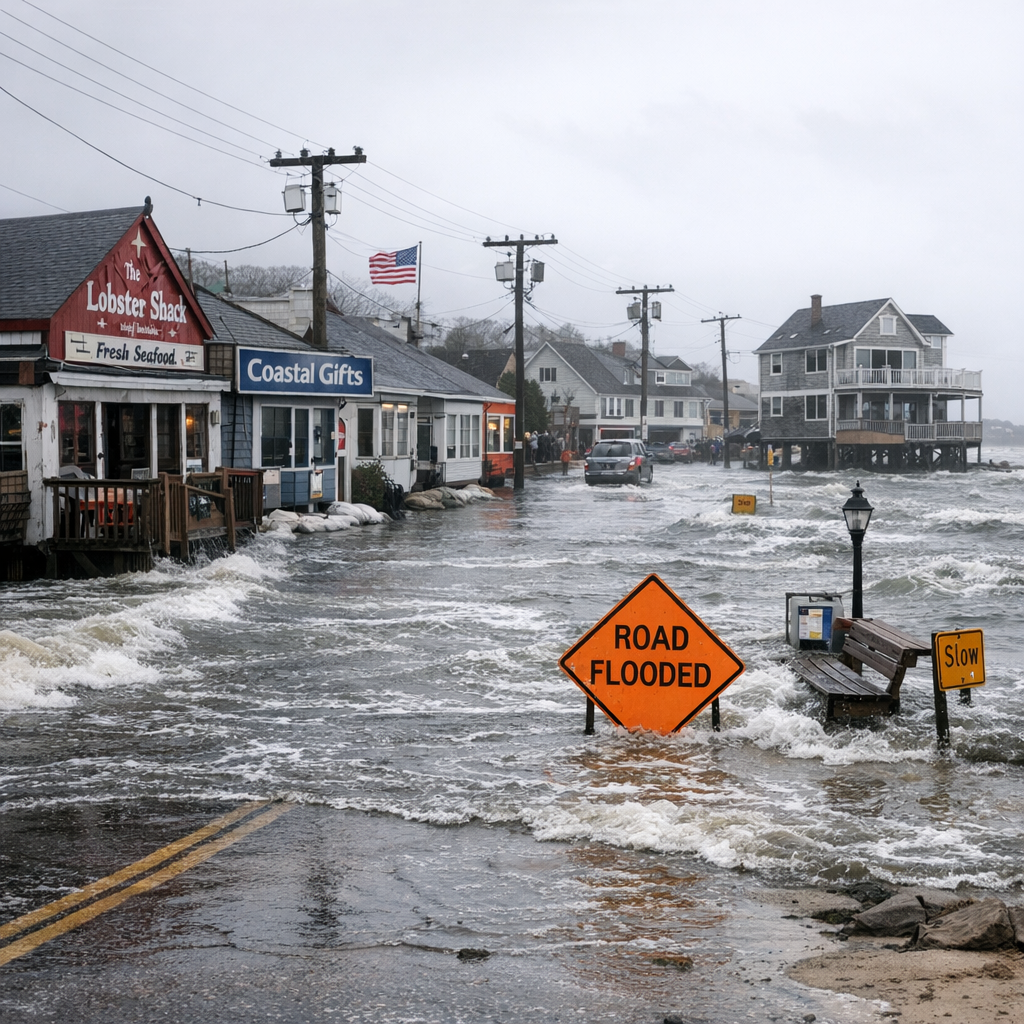
Climate change is a global issue with local repercussions. Rhode Island has experienced a rise in sea levels, leading to increased coastal flooding and erosion. The Rhode Island Department of Environmental Management highlights that “as of 2024, the sea level at Newport has risen 11.64 inches since record-keeping began.” This trend poses risks to coastal infrastructure, habitats, and the state’s tourism industry.
Addressing these challenges requires a combination of mitigation and adaptation strategies. Investing in resilient infrastructure, restoring natural buffers like wetlands, and implementing sustainable land-use practices are essential steps. Community engagement and education also play a crucial role in fostering a collective response to environmental changes.
Public Health Preparedness
Global health crises, such as pandemics, underscore the importance of coordinated public health responses. In October 2025, Governor Dan McKee joined other governors to launch the Governors Public Health Alliance, aiming to “strengthen coordination, preparedness, and response on public health issues.” This initiative emphasizes the need for cross-border collaboration to effectively address health threats that transcend state and national boundaries.
For Rhode Island residents, staying informed about public health guidelines and participating in community health initiatives can enhance collective resilience. Supporting local healthcare infrastructure and advocating for policies that prioritize public health are also vital components of a robust response to global health challenges.
In conclusion, while global events may seem distant, their effects are often felt close to home. By understanding these connections and proactively addressing the associated challenges, Rhode Island can navigate the complexities of our globalized world and continue to thrive.