

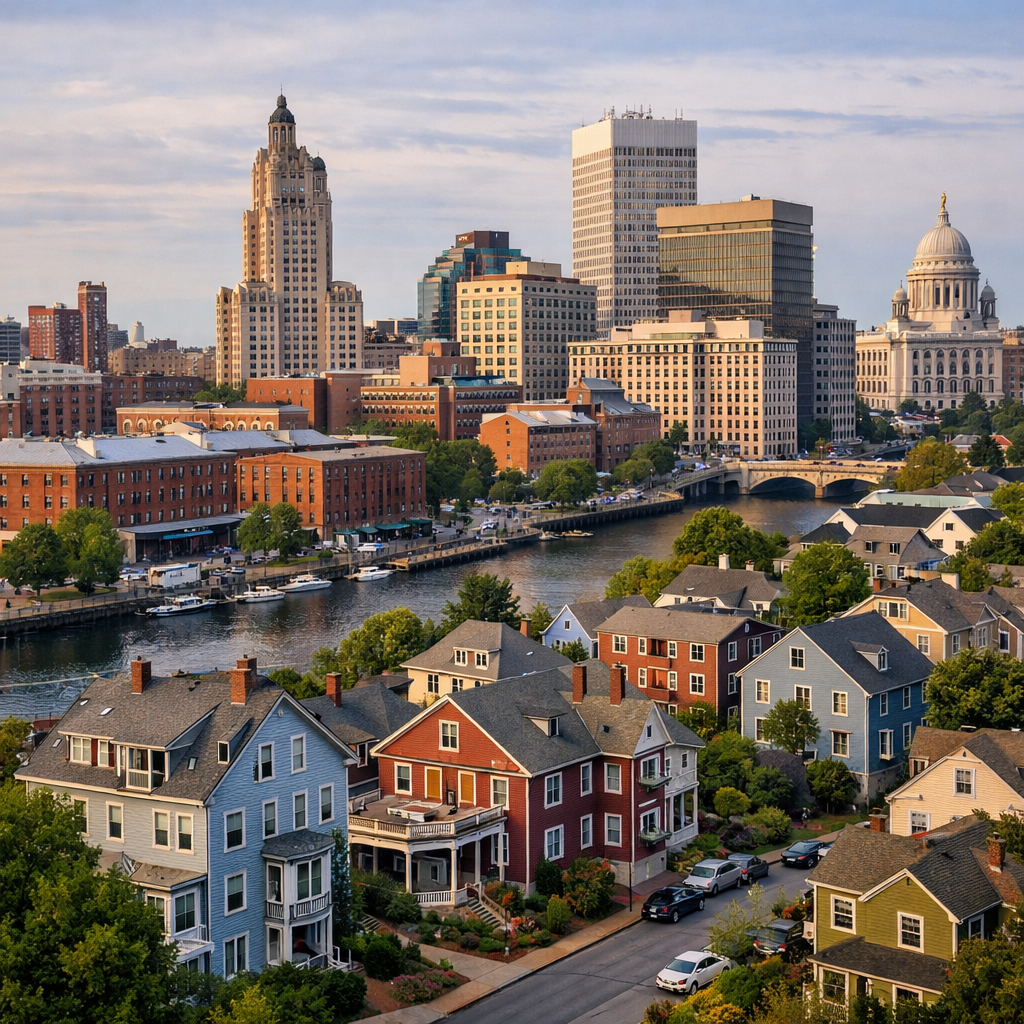
Providence is grappling with significant housing challenges, as residents confront rising costs and limited availability. Recent efforts to address these issues have sparked considerable debate and action within the community.
Rent Stabilization Efforts
In early 2026, the Providence City Council introduced a rent stabilization ordinance aiming to cap annual rent increases at 4% for certain properties. The proposal, led by Council President Rachel Miller, sought to provide relief to renters facing escalating housing costs. However, Mayor Brett Smiley vetoed the ordinance, expressing concerns about its potential impact on housing development and property owners. An attempt by the City Council to override the veto was unsuccessful, leaving the ordinance unimplemented.
Affordable Housing Initiatives
Despite setbacks in rent stabilization, city officials have pursued other avenues to support affordable housing. In May 2026, Mayor Smiley and the City Council advanced an $8.8 million federal housing and community investment package. This funding is intended to bolster affordable housing projects, prevent homelessness, and improve shelter facilities. Additionally, the proposed fiscal year 2027 budget includes $2.04 million in housing supports, reflecting a commitment to addressing the housing crisis without increasing taxes.
Community Perspectives
Residents have expressed mixed reactions to these developments. While some appreciate the city’s efforts to invest in affordable housing, others are concerned about the lack of immediate relief for renters facing steep increases. The debate underscores the complexity of balancing the needs of tenants, property owners, and the broader community.
Looking Ahead
As Providence continues to navigate these housing challenges, the community remains engaged in seeking solutions that promote affordability and stability. Ongoing discussions and initiatives will be crucial in shaping the city’s housing landscape in the years to come.