

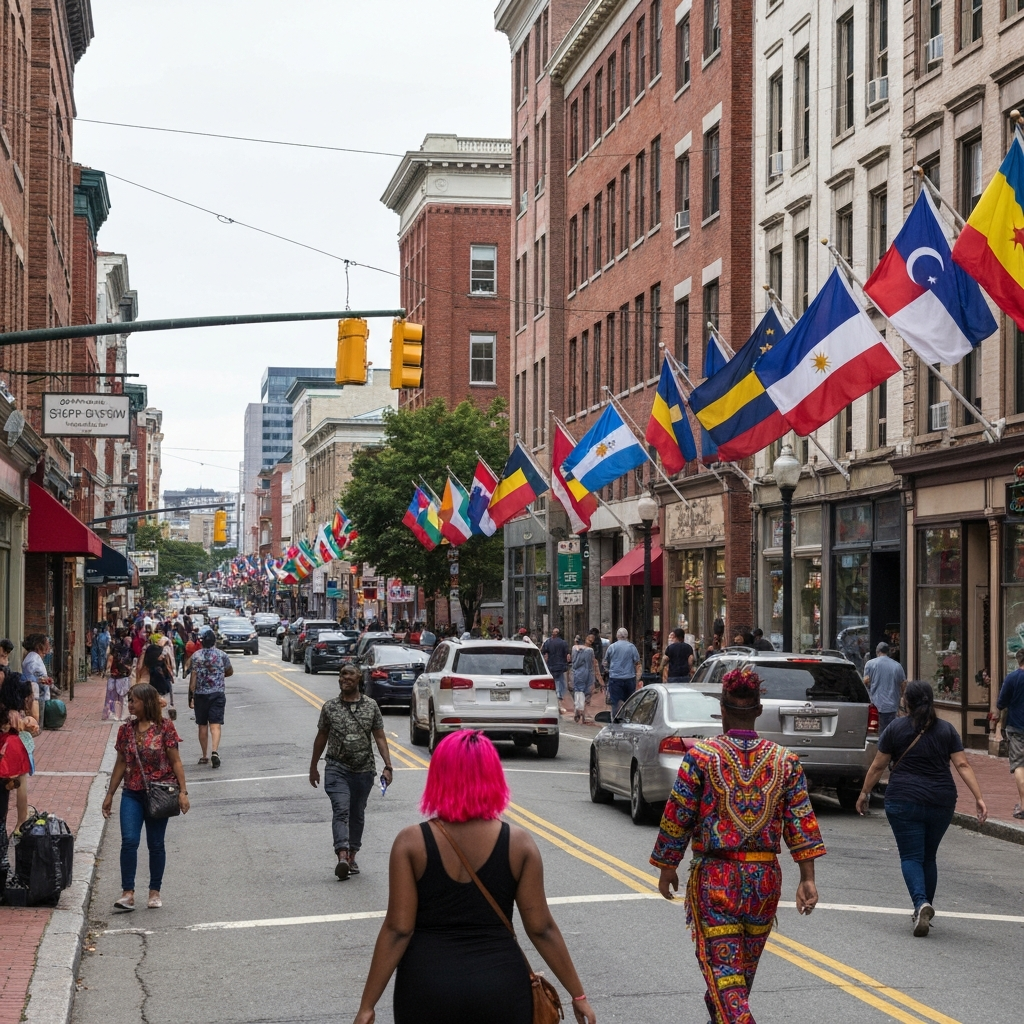
As Rhode Island continues to navigate the complexities of a globalized world, recent developments underscore both the opportunities and challenges that international events and policies present to our state.
Economic Opportunities from International Events
The upcoming FIFA World Cup matches at Gillette Stadium in Foxborough, Massachusetts, offer a significant economic opportunity for Rhode Island. With seven matches scheduled between June 13 and July 9, 2026, the state anticipates up to 1 million visitors passing through the Providence metro area, potentially generating over $330 million in business revenue. To capitalize on this influx, Governor Dan McKee announced the formation of Ocean State 2026, a nonprofit organization dedicated to maximizing the tournament’s economic impact by facilitating business sponsorships and promoting Rhode Island as a premier destination for visitors attending the World Cup matches. Source
Strengthening Public Health Preparedness
In response to global health challenges, Governor McKee joined a coalition of governors to launch the Governors Public Health Alliance. This nonpartisan initiative aims to enhance coordination, preparedness, and response to public health issues across state lines. By collaborating with other states, Rhode Island seeks to improve data-sharing, align guidance, and act swiftly in the face of emerging health threats, thereby safeguarding public health and strengthening preparedness. Source
Climate Change and Environmental Concerns
Climate change remains a pressing issue for Rhode Island, with rising temperatures and shifting rainfall patterns affecting various sectors, including fishing, agriculture, and wetlands. The state has experienced a warming trend of about three degrees Fahrenheit since 1900, leading to increased intensity of both floods and droughts. These environmental changes pose challenges to the state’s economy and public health, necessitating continued efforts to address and mitigate the impacts of climate change. Source
As Rhode Island engages with the global community, it is essential to balance the benefits of international events and collaborations with proactive measures to address the challenges posed by global health threats and climate change. By leveraging opportunities and strengthening preparedness, the state can continue to thrive in an interconnected world.